How a print leaves the studio.
Every Plakat is made the same slow way — two papers, one printer, one pair of hands checking each sheet under daylight before it ships. Here is the whole of it, start to wall.
Two papers. Nothing else.
We keep two stocks and know both completely — a heavier cotton rag for the painted work, a smoother matte for photographs and gradients. Both are acid-free and made to outlast the frame around them.
Cotton rag
- 310 gsm
- Matte, textured
- Bright white, acid-free
A painterly, toothy surface. Holds deep reds and blacks without going flat. Used for the painted prints — Monsoon Terrace, Night Bouquet.
Archival matte
- 240 gsm
- Matte, smooth
- Soft white, acid-free
A quieter surface that keeps gradients clean and edges crisp. Used for photographs, colour fields and renders.
A giclée, not a poster.
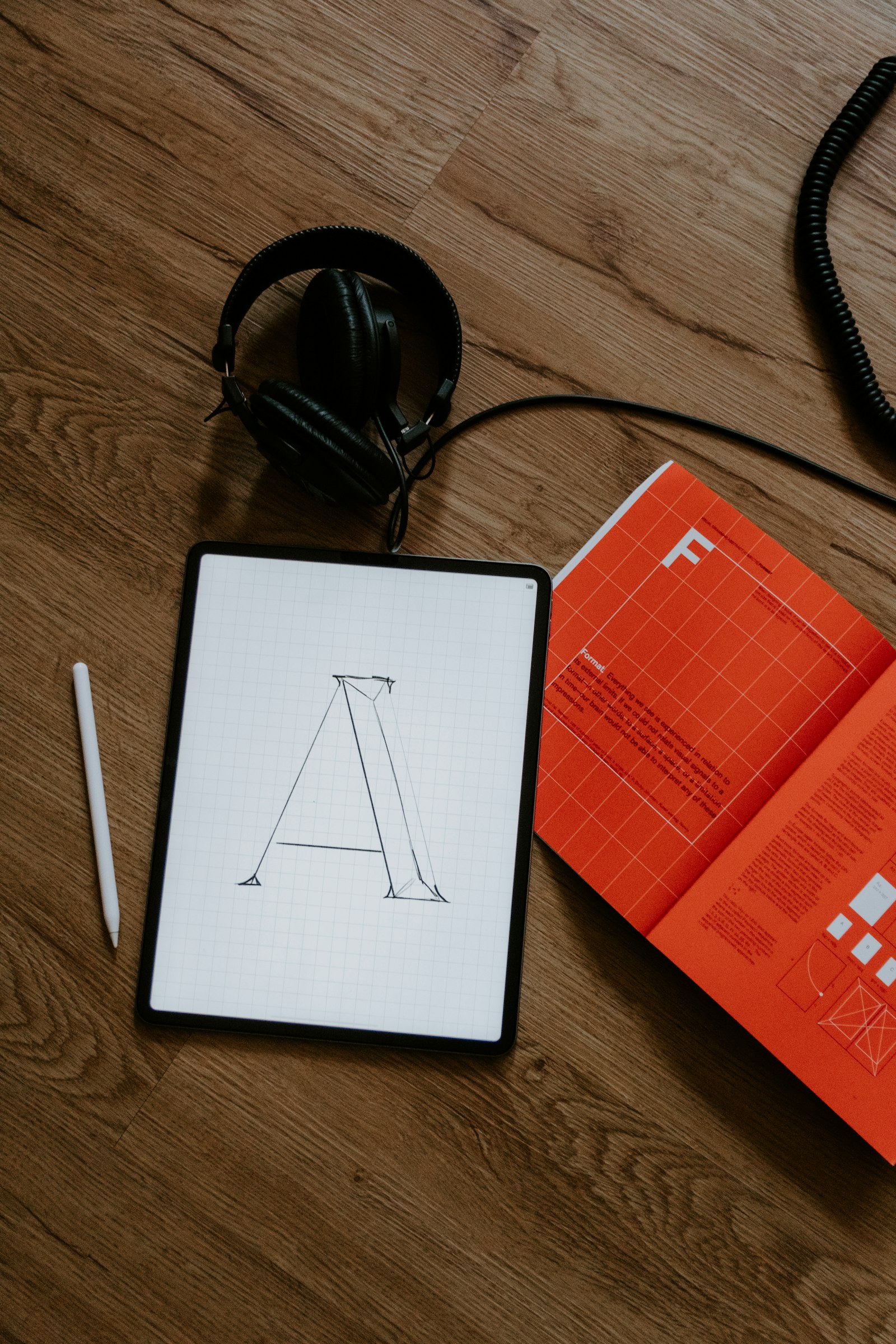
Giclée is a plain word for a careful thing: a pigment inkjet print, laid down from twelve inks instead of the four a poster press uses. That extra ink is the difference between a colour field that breathes and one that bands.
Nothing prints until the first sheet is proofed. We pull a single copy, set it beside the original file under a daylight lamp, and correct the colour by eye until the print and the screen agree. Only then does the short run go through.
Every sheet that comes off is checked twice — once for colour, once for dust and banding — before it earns a signature. The ones that don't pass are recycled, not sold.
See it framed. Or don't.
Prints ship unframed and flat by default — most people have a framer they trust, and flat travels safely. If you'd rather it arrive ready to hang, we frame in-house. Try the three we keep:
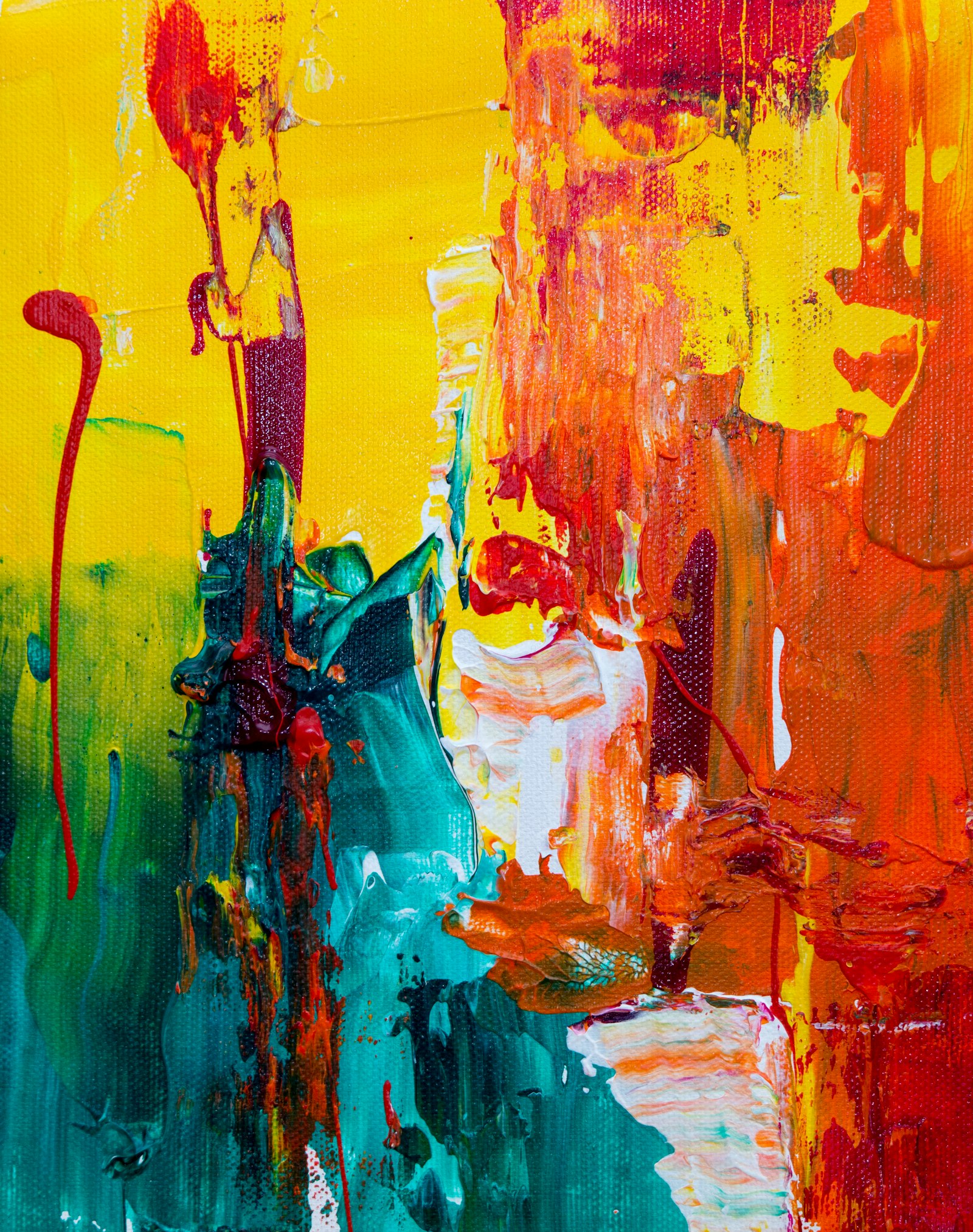
Thin black frame · narrow mat
Tilt it. The glass behaves.
All frames are solid wood with anti-glare glazing, cut to your size. Add 5–7 days to dispatch.
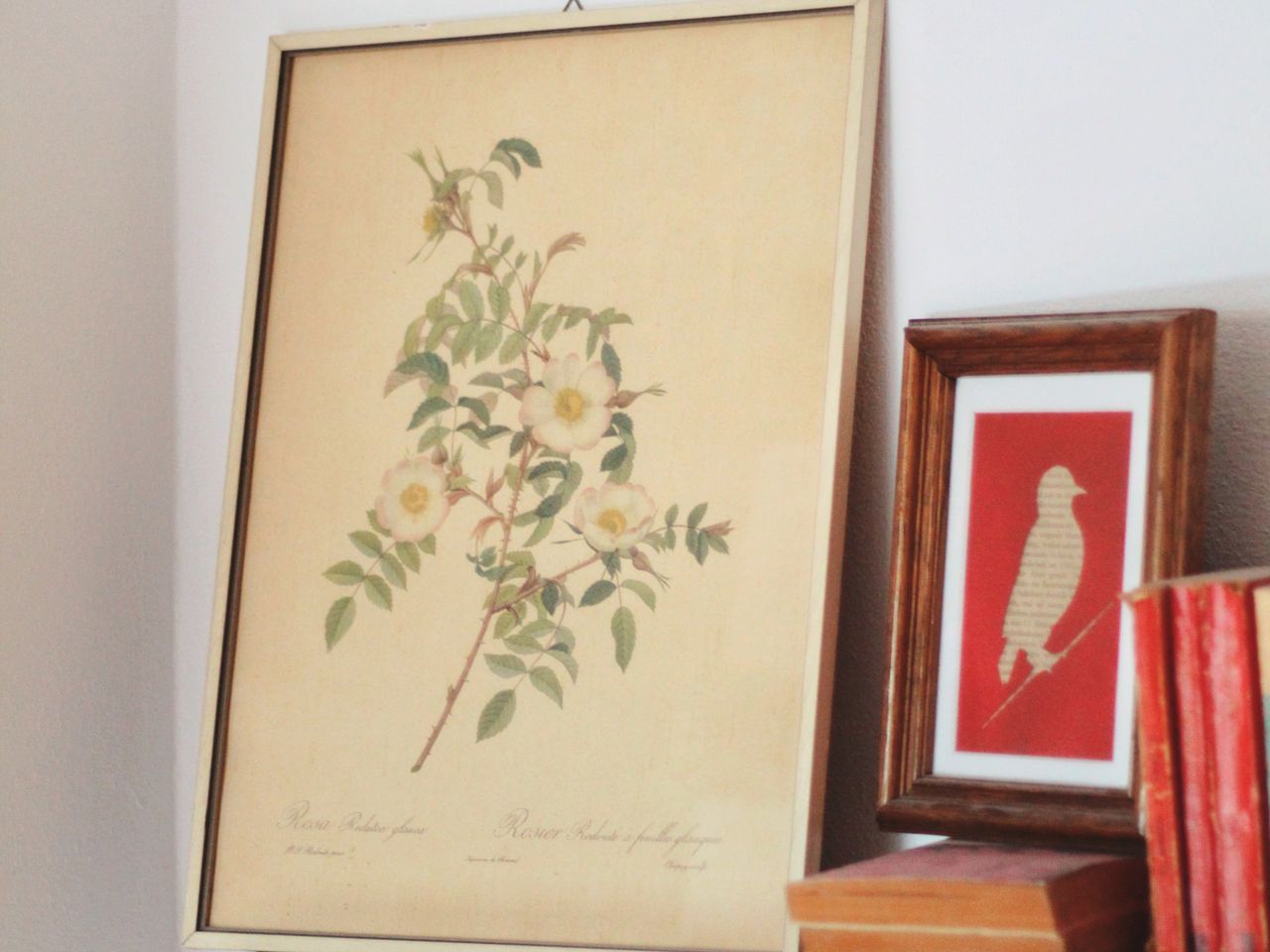
What “edition of 90” means.
Numbered editions
Painted works are released in a fixed number — 60, 90, 150. Each is signed and numbered in pencil on the lower margin. When the last one sells, the file is retired. No reprints, ever.
Open editions
Colour fields and some photographs are open — printed to order, unnumbered, but from the same file on the same paper. The same print, without the scarcity.
Signing
Every print is signed by hand. Numbered ones carry their number over the run; open ones carry the year they were pulled.
The retired shelf
Eight prints hang at a time. When one retires it is gone for good — part of why the floor stays small, and why nothing here is printed twice.
How to keep it well.
- 1It arrives flat in a rigid envelope — no unrolling, no curl. Lift the sheet by its edges.
- 2Frame behind glass or acrylic. Cotton rag is durable, but happier kept from dust and fingerprints.
- 3Keep it out of direct sun. The pigment inks are archival, but no print loves an afternoon of hard light.
- 4Handle by the margins. The 6 mm white border is there so you never touch the image.
- 5Somewhere stable — away from bathrooms and kitchens. Humidity is the one thing paper truly minds.